
Why Society’s “Man Up” Culture Is Destroying Men’s Mental Health and Relationships
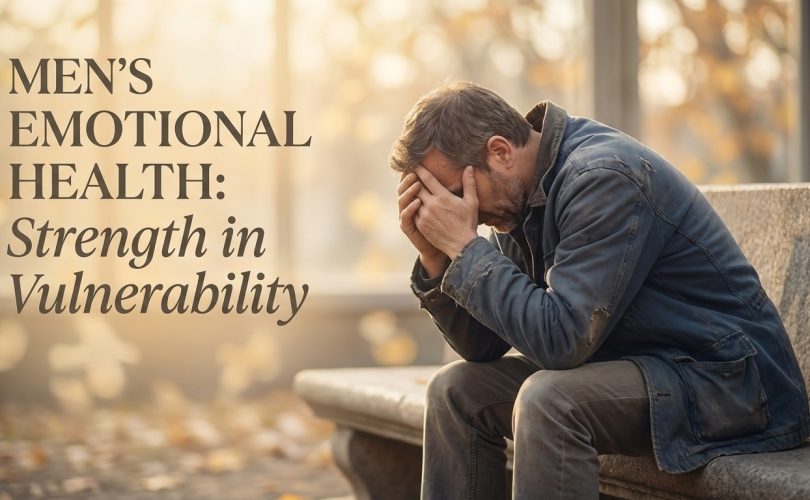
In a world that tells men to “man up,” “be strong,” and “stop being emotional,” countless men are silently struggling. They carry burdens they were never meant to bear alone. They hide vulnerabilities they were taught to be ashamed of. They suppress emotions that desperately need to be expressed. And they wonder why their relationships feel empty, why their mental health is deteriorating, and why they feel so profoundly alone—even when surrounded by people who love them.
The truth that society often refuses to acknowledge is simple yet powerful: Men have feelings too. Men experience fear, sadness, insecurity, and loneliness. Men need affection, emotional support, and genuine connection. Men deserve to express their emotions without shame, to seek help without judgment, and to be loved for their full, authentic selves—not just the “strong, silent” mask they’ve been conditioned to wear.
This post explores the often-ignored emotional lives of men, the damaging effects of emotional suppression, and how we can create a world where men feel safe to be fully human.
The Myth of the Emotionless Man: How Society Fails Boys and Men
“Boys Don’t Cry”: The Beginning of Emotional Suppression
From the earliest moments of childhood, boys receive clear messages about emotions:
- “Big boys don’t cry”
- “Stop being a baby”
- “Toughen up”
- “Don’t be a sissy”
- “Real men don’t show weakness”
These phrases, often spoken by well-meaning parents, teachers, coaches, and peers, teach boys that emotions are dangerous, shameful, and fundamentally incompatible with being male. By the time boys reach adolescence, many have already learned to disconnect from their feelings, to view vulnerability as weakness, and to equate masculinity with emotional stoicism.
The Psychological Impact:
Research shows that boys who are discouraged from expressing emotions:
- Develop higher rates of anxiety and depression in adulthood
- Struggle with emotional regulation and impulse control
- Have difficulty forming intimate, trusting relationships
- Experience higher rates of substance abuse and risky behaviors
- Are more likely to express distress through anger or aggression
The Cost of Emotional Suppression on Oneself and Relationships
Relationship Breakdown:
- Emotional unavailability creates distance in romantic relationships
- Partners feel unseen, unheard, and emotionally alone
- Inability to communicate feelings leads to unresolved conflicts
- Many men report feeling like “ATMs” or “fixers” rather than emotional partners
Physical Health Decline:
- Chronic stress from suppressed emotions contributes to heart disease, high blood pressure, and weakened immune systems
- Men are less likely to seek medical care for physical or mental health concerns
- Substance abuse becomes a coping mechanism for unexpressed pain
Social Isolation:
- Men often lack deep, emotionally intimate friendships
- Male friendships may be activity-based rather than emotionally supportive
- Loneliness and social isolation are major risk factors for poor mental and physical health
The Emotional Reality: What Men Actually Feel (But Are Afraid to Say)
Fear and Anxiety
Men experience profound fear and anxiety, often about:
- Failure: Fear of not being good enough as a provider, partner, or father
- Inadequacy: Constant worry about measuring up to societal expectations of masculinity
- Vulnerability: Fear that showing weakness will lead to rejection or loss of respect
- Financial pressure: Anxiety about providing and maintaining stability
- Performance: Pressure to perform sexually, professionally, and socially
Many men describe feeling like they’re constantly walking a tightrope, terrified of falling and being judged as failures.
Sadness and Grief
Men grieve. Men feel sadness. Men experience loss deeply. But they’re often told:
- “Be strong for your family”
- “Don’t fall apart”
- “Someone has to hold it together”
This denial of grief means men process loss alone, in silence, often turning to unhealthy coping mechanisms instead of seeking support.
Insecurity and Self-Doubt
Despite outward appearances of confidence, many men struggle with:
- Body image issues and insecurity about physical appearance
- Doubt about their worthiness of love and acceptance
- Fear that they’re not interesting, attractive, or valuable enough
- Comparison to other men and feelings of inadequacy
- Imposter syndrome in their careers and personal lives
Loneliness and Need for Connection
One of the most painful—and least discussed—aspects of male emotional experience is profound loneliness:
- Many men report having no close friends they can talk to about personal struggles
- Men often depend entirely on their romantic partner for emotional support
- When relationships end, men may find themselves completely isolated
- The pressure to be self-reliant prevents men from reaching out
Need for Affection, Touch, and Tenderness
Men crave physical affection beyond sexual contact:
- Hugs, gentle touch, and non-sexual physical comfort
- Verbal affirmation and words of appreciation
- Being seen, valued, and loved for who they are, not what they provide
- Tenderness and softness without judgment
Many men report that the only acceptable form of physical touch they receive is sexual, leaving them starved for nurturing, comforting human contact.
How Emotional Suppression Damages Romantic Relationships
The Emotional Labor Imbalance
When men suppress emotions, their partners often become solely responsible for the relationship’s emotional work:
- Initiating difficult conversations: Partners must constantly bring up issues because men have been taught to avoid emotional discussions
- Reading minds: Partners are expected to intuit needs that men can’t or won’t articulate
- Carrying emotional weight: Partners process not only their own emotions but also try to decode and manage their partner’s unexpressed feelings
- Playing therapist: Partners become unpaid emotional support workers without reciprocation
This imbalance creates resentment, exhaustion, and eventual relationship breakdown.
Anger as the “Acceptable” Male Emotion
Many men have been taught that anger is the only acceptable emotional expression. This leads to:
- Emotional conversion: Sadness, hurt, and fear are transformed into anger
- Explosive outbursts: Suppressed emotions build up and explode inappropriately
- Intimidation: Partners feel unsafe or walk on eggshells
- Misunderstanding: The real issue is never addressed because anger masks the true emotion
Emotional Unavailability and Distance
When men shut down emotionally, partners experience:
- Feeling like they’re in a relationship with a stranger
- Loneliness despite physical presence
- Inability to create true intimacy and deep connection
- Frustration with surface-level conversations that never go deeper
The “Fix-It” Mentality
Men are often socialized to be problem-solvers. When partners express emotions, many men immediately try to “fix” the problem rather than simply listening and validating. This creates:
- Partners feeling unheard and dismissed
- Frustration on both sides—partners want empathy, men feel their help is rejected
- Missed opportunities for emotional connection
- Repeated patterns where emotional needs go unmet
What Men Need (And Deserve) in Relationships
Permission to Be Fully Human
Men need partners, friends, and communities that give them explicit permission to:
- Feel the full range of human emotions without shame
- Express vulnerability without fear of judgment or rejection
- Admit when they’re struggling, scared, or don’t have answers
- Be imperfect, make mistakes, and still be worthy of love
Emotional Safety and Non-Judgment
Men need relationships where:
- Emotions are welcomed, not used against them later
- Vulnerability is met with compassion, not contempt
- Sharing feelings doesn’t result in loss of respect
- They can be both strong and soft, powerful and tender
Active Listening and Validation
Men need partners who:
- Listen without immediately offering solutions (unless asked)
- Validate emotions rather than dismissing them
- Ask clarifying questions to understand deeper
- Reflect back what they hear to ensure understanding
Physical Affection Beyond Sex
Men need and deserve:
- Non-sexual touch—hugs, hand-holding, cuddling
- Physical comfort when they’re upset or stressed
- Affection that isn’t transactional or tied to sexual activity
- Permission to receive care without feeling emasculated
Words of Affirmation and Appreciation
Men need to hear:
- “I see how hard you’re working”
- “I appreciate you”
- “Your feelings matter”
- “You’re doing a good job”
- “I love you for who you are, not what you do”
Too often, men’s contributions are taken for granted. Regular acknowledgment and appreciation are crucial for emotional well-being.
Space to Process Without Pressure
Men often need time to:
- Identify what they’re feeling (emotional literacy takes practice)
- Find words for complex emotions
- Process internally before sharing externally
Partners can support this by:
- Giving space without withdrawing care
- Checking in gently without demanding immediate responses
- Reassuring that the relationship is safe while they process
How Partners Can Support Men’s Emotional Health
Create a Culture of Emotional Safety
Make it clear that emotions are welcome:
- “I want to know how you’re really feeling”
- “It’s safe to be vulnerable with me”
- “Your emotions won’t change how I feel about you”
Follow through with compassion:
- When he shares feelings, respond with empathy, not judgment
- Don’t use his vulnerabilities against him in arguments
- Celebrate his emotional openness as strength, not weakness
Ask Better Questions
Instead of: “How was your day?” (often answered with “fine”)
Try:
- “What was the best part of your day? What was the hardest?”
- “Is there anything weighing on your mind?”
- “How are you feeling about [specific situation]?”
- “What do you need from me right now?”
Validate, Don’t Minimize
When he shares something difficult:
Don’t say:
- “It’s not that bad”
- “Just get over it”
- “Why are you so sensitive?”
- “Other people have it worse”
Do say:
- “That sounds really difficult”
- “I can see why you’d feel that way”
- “Thank you for sharing that with me”
- “How can I support you?”
Normalize Therapy and Mental Health Support
- Encourage professional help without shame: “Talking to someone could really help”
- Share your own therapy experiences to normalize it
- Offer to help find a therapist or attend couples counseling together
- Frame mental health care as strength and self-care, not weakness
Model Healthy Emotional Expression
- Share your own emotions openly and appropriately
- Demonstrate that expressing feelings leads to connection, not rejection
- Show that vulnerability strengthens relationships
- Practice emotional literacy in your own life
How Men Can Reclaim Their Emotional Lives
Start with Self-Awareness
Emotion identification practice:
- Several times a day, pause and ask: “What am I feeling right now?”
- Use an emotion wheel to expand vocabulary beyond “fine,” “good,” or “bad”
- Journal about feelings, even if it feels awkward at first
- Notice physical sensations that accompany emotions (tight chest, clenched jaw, etc.)
Challenge Internalized Messages
Identify the voices:
- What messages did you receive about being a man?
- Who taught you that emotions are weakness?
- What fears come up when you think about being vulnerable?
Question and reframe:
- “Is this belief actually true, or is it something I was taught?”
- “How has emotional suppression actually served me?”
- “What would it mean to define masculinity on my own terms?”
Find Safe People and Spaces
Build emotional support networks:
- Cultivate at least one friendship where you can be emotionally honest
- Join men’s groups focused on emotional health and authentic masculinity
- Find online communities of men doing this work
- Consider therapy with a male-affirming, emotionally-focused therapist
Practice Vulnerability in Small Steps
Start small:
- Share one feeling with a trusted person each week
- Admit when you don’t know something or need help
- Express appreciation and affection more openly
- Allow yourself to cry when you need to
Gradually expand:
- Share deeper fears and insecurities
- Ask for emotional support, not just practical help
- Initiate conversations about feelings in your relationship
- Be honest when you’re struggling
Develop Emotional Vocabulary
Many men struggle to express emotions because they lack the language:
Expand your emotional vocabulary:
- Learn words beyond “angry,” “sad,” “happy”
- Study the nuances: frustrated vs. overwhelmed vs. defeated
- Practice naming emotions in real-time
- Read books or articles about emotional intelligence
Seek Professional Support
Therapy is not a sign of weakness:
- A good therapist provides tools, not judgment
- Therapy helps you understand patterns and develop healthier coping strategies
- Individual therapy, couples therapy, or men’s groups can all be valuable
- Consider therapists who specialize in men’s issues or attachment
The Role of Ama in Male Emotional Suppression
In the Maitriama framework, Ama—undigested emotional experiences and unresolved pain—accumulates when emotions are consistently suppressed rather than processed. For men, decades of conditioning to ignore, minimize, and suppress feelings creates massive amounts of Ama that manifests as:
Physical Manifestations
- Chronic tension, especially in shoulders, neck, and jaw
- Digestive issues and stress-related illness
- Cardiovascular problems linked to chronic stress
- Fatigue and exhaustion from constant emotional vigilance
Emotional Manifestations
- Difficulty identifying or expressing feelings
- Emotional numbness or disconnection
- Explosive anger that seems disproportionate to triggers
- Depression that appears as irritability, restlessness, or aggression
Relational Manifestations
- Inability to create deep emotional intimacy
- Patterns of withdrawing or shutting down during conflict
- Fear of vulnerability that prevents authentic connection
- Repeating dysfunctional relationship patterns
Healing Ama for Men
The Maitriama Method supports men in:
Acknowledging the Ama:
- Recognizing that suppressed emotions don’t disappear—they accumulate
- Understanding that emotional pain is as real and valid as physical pain
- Identifying where Ama is held in the body and psyche
Processing and Releasing:
- Creating safe spaces to feel and express long-suppressed emotions
- Learning practices that help process emotional residue
- Developing self-compassion for years of conditioning and survival
Preventing New Accumulation:
- Building skills for healthy emotional expression in real-time
- Learning to process feelings as they arise rather than stuffing them down
- Creating relationships and environments that support emotional authenticity
Redefining Masculinity: What Healthy Manhood Looks Like
Strength Includes Vulnerability
True strength is:
- Having the courage to be honest about struggles
- Being secure enough to ask for help
- Choosing vulnerability even when it’s terrifying
- Knowing when to be strong and when to let others support you
Masculinity Is Not Fragile
Healthy masculinity doesn’t require:
- Constant performance and proving
- Dominating others or suppressing emotions
- Fitting into a narrow, rigid definition
- Choosing between being “masculine” or being human
Real masculinity is flexible, authentic, and self-defined.
Men Can Be Both Strong and Tender
You can be:
- Powerful and gentle
- Protective and vulnerable
- Confident and uncertain
- A leader and a learner
- Independent and interdependent
These are not contradictions—they are the fullness of being human.
Emotional Intelligence Is Masculine
Skills like:
- Emotional awareness and expression
- Empathy and active listening
- Conflict resolution and communication
- Self-reflection and growth
- Building intimate relationships
These aren’t “feminine” traits—they’re human capacities that make men better partners, fathers, friends, and leaders.
Creating a World Where Men Can Be Fully Human
What Society Must Change
In families:
- Allow boys to cry, express fear, and show affection
- Model healthy emotional expression for sons
- Avoid gendered messages about emotions (“boys don’t cry” vs. “girls are too emotional”)
- Celebrate sensitivity and empathy as valuable traits
In education:
- Teach emotional literacy and intelligence to all students
- Create space for boys to discuss feelings and mental health
- Challenge bullying that polices masculinity
- Provide male role models who demonstrate emotional health
In media and culture:
- Show diverse representations of masculinity
- Feature male characters with emotional depth and vulnerability
- Stop glorifying the “strong, silent type” as the ideal
- Celebrate men who seek help, show emotions, and prioritize relationships
In healthcare:
- Train providers to recognize depression and anxiety in men
- Create male-friendly mental health resources
- Address the barriers that prevent men from seeking help
- Screen for emotional health as routinely as physical health
What We All Can Do
Examine our own biases:
- Do we judge men differently for showing emotion?
- Do we expect men to be providers and protectors while ignoring their emotional needs?
- Do we perpetuate “man up” messages, even unconsciously?
Support the men in our lives:
- Check in on emotional well-being, not just practical matters
- Create space for men to be vulnerable
- Respond to male emotions with the same compassion we offer women
- Encourage therapy and emotional support
Speak up:
- Challenge harmful messages about masculinity when we hear them
- Share stories of male emotional health and vulnerability
- Normalize men’s feelings, fears, and needs
- Advocate for resources and support systems for men
The Promise of Emotional Freedom for Men
Imagine a world where:
- Boys grow up knowing that all their feelings are valid and welcome
- Men have deep, emotionally intimate friendships with other men
- Asking for help is seen as wisdom, not weakness
- Vulnerability is recognized as the foundation of genuine connection
- Men can cry, laugh, fear, and love without shame
- Mental health support for men is accessible, affordable, and destigmatized
- Relationships thrive because both partners feel safe to be fully themselves
This world is possible. It starts with each of us choosing to see men as fully human—deserving of emotional expression, worthy of care and affection, and capable of deep feeling and connection.
How Maitriama Supports Men’s Emotional Wellness
The Maitriama Method recognizes that men face unique challenges in accessing and expressing their emotional lives. Through this compassionate, holistic approach, men can:
Create Safe Spaces for Vulnerability:
- Work with coaches who understand the specific conditioning men face
- Practice emotional expression in judgment-free environments
- Build confidence in sharing feelings authentically
Heal Years of Suppressed Ama:
- Process decades of unexpressed emotions in healthy, supported ways
- Release the physical and emotional burden of suppression
- Develop new patterns of emotional awareness and expression
Redefine Masculinity on Your Own Terms:
- Explore what manhood means to you, beyond cultural scripts
- Integrate strength with sensitivity, power with genterness
- Build an authentic identity that honors your full humanity
Strengthen Relationships Through Emotional Connection:
- Learn to communicate feelings effectively with partners
- Develop conflict resolution skills rooted in vulnerability
- Create deeper intimacy through emotional authenticity
Build Lasting Emotional Health:
- Develop practices for ongoing emotional processing
- Cultivate self-compassion and self-care
- Create sustainable habits that support mental and emotional wellness
You Are Not Alone
If you’re a man reading this and recognizing yourself in these words, please know: you are not broken. You are not weak. You are not “too sensitive” or “not man enough.” You are human. And being human means having feelings, needing support, and deserving love—exactly as you are.
The courage to feel, to be vulnerable, to ask for help—these are not signs of weakness. They are the bravest things you can do in a world that told you to hide your heart.
Your emotions matter. Your struggles are real. Your need for connection, affection, and emotional support is completely valid. And there is a growing community of men who are reclaiming their emotional lives, redefining masculinity, and building relationships where they can finally be fully themselves.
You don’t have to carry everything alone. You don’t have to pretend you’re fine when you’re not. You don’t have to be strong all the time. It’s okay to not be okay. It’s okay to need help. It’s okay to feel.
The world needs men who are emotionally healthy, not emotionally suppressed. The world needs you—all of you, including the parts you’ve been taught to hide.
The Maitriama Method offers specialized support for men who are ready to reclaim their emotional lives, heal from years of suppression, and build authentic relationships where they can be fully seen, fully known, and fully loved. Through individual coaching, men’s groups, and couples work, we create spaces where vulnerability is strength, emotions are welcomed, and men can finally come home to themselves.