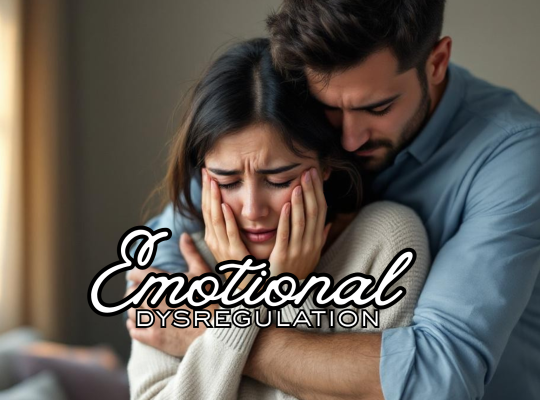

Co-regulation is the quiet, yet profoundly transformative process of two nervous systems communicating safety to one another. It is the subtle emotional dance where one partner’s grounded presence soothes the other’s heightened state, and together, they find equilibrium. Contrary to the societal myth of self-reliance, co-regulation is not a weakness—it is a biological and relational necessity. Humans were never meant to navigate emotional intensity alone; our nervous systems are wired for connection. Healing, growth, and intimacy happen through safe relational engagement, not in isolation.
When practiced intentionally, co-regulation allows partners to feel emotionally held, understood, and safe enough to be vulnerable. It transforms relationships from mere companionship into secure sanctuaries, where each person can soften, exhale, and fully be themselves without fear of judgment or abandonment.
What Co-Regulation Really Means
Co-regulation is a multifaceted practice that combines physiological, emotional, and relational awareness:
1. Nervous System Synchronization
When one partner becomes overwhelmed, anxious, or dysregulated, the other can guide them back into their window of tolerance through calm, steady presence. Your breath, tone, and energy serve as anchors, helping their nervous system recalibrate. This isn’t fixing—it’s offering stability and safety.
2. Emotional Attunement
Attunement is the skill of noticing subtle emotional cues—tightened jaws, shifts in tone, quiet withdrawal—and responding with warmth, empathy, and care, rather than defensiveness. Attunement communicates, “I see you, I hear you, and I’m here with you.”
3. Shared Safety
Co-regulation generates a deep sense of security:
“I’m not alone. I’m safe with you. I can lean on you.”
This shared safety softens fear, reduces reactivity, and fosters trust at a primal level, allowing intimacy to thrive.
4. Mutual Responsibility
Co-regulation is never about one partner “fixing” the other. It’s two people recognizing that emotions ripple through both nervous systems and approaching distress as a team, not opponents. Each partner takes responsibility for their own regulation while supporting the other.
How Couples Can Practice Co-Regulation
1. Respond Instead of React
Emotional dysregulation can trigger reactive patterns. Co-regulation requires pausing, grounding yourself, and responding from a calm, centered state.
Example: Instead of saying, “You’re overreacting,” try:
“I’m here. Let’s breathe through this together.”
This simple shift deepens trust and signals safety.
2. Use Your Voice as a Safety Signal
Tone communicates more than words. Soft, steady, and warm speech reassures the nervous system: “You are safe. I am not your threat.” Even in conflict, lowering your voice and speaking deliberately helps your partner feel supported.
3. Offer Physical Grounding (With Consent)
Touch is a powerful regulatory tool:
- Holding hands
- Placing a hand on their back
- Offering a hug
- Sitting shoulder-to-shoulder
A single grounding touch can shift a partner from threat mode into connection mode, signaling, “You don’t have to face this alone.”
4. Mirror Calm Breathing
Breath is contagious. By modeling slow, deep, and steady breathing, your partner’s body will naturally follow, helping them calm and regain emotional balance.
Try: Inhale 4 → Hold 1 → Exhale 6. No explanation needed; presence is enough.
5. Validate Internal Experience
Validation communicates acceptance:
- “I see this is really hard for you.”
- “Your feelings matter to me.”
- “I’m not going anywhere.”
Validation reduces perceived threat, which is the foundation of co-regulation and long-term emotional healing.
6. Slow Down Conversations
High-intensity emotions push the brain into survival mode. Speaking slowly, pausing between sentences, and allowing space for breath prevents escalation.
Shift the tone to presence:
“Let’s take this one step at a time. We’re on the same team.”
7. Create Predictable Routines of Connection
Co-regulation isn’t just for crises—it’s built through small, consistent rituals:
- Morning check-ins
- Evening debriefs
- Weekly emotional updates
- Intentional physical affection
- Shared quiet time
Consistency fosters safety; safety deepens intimacy; intimacy invites vulnerability; vulnerability promotes healing.
8. Repair After Ruptures
Misattunement is inevitable. Co-regulation includes returning to each other with humility:
- “I’m sorry I didn’t show up as I wanted to.”
- “Let’s try this conversation again.”
- “How can we reconnect right now?”
Repair strengthens trust and reassures partners that safety is not lost after conflict.
The Healing Power of Co-Regulation
When couples practice co-regulation consistently:
- Emotional triggers lose intensity
- Nervous system stability improves
- Vulnerability becomes safer
- Intimacy deepens
- Communication becomes gentler and more effective
- Trust grows naturally
Co-regulation teaches the body what love feels like: safe, attuned, grounding, and steady. Over time, the relationship becomes a sanctuary, where emotional growth, trust, and healing are not just possible — they are inevitable.
Disclaimer: This content is for educational and informational purposes only. It is not intended to diagnose, treat, cure, or prevent any medical or psychological condition, nor is it a substitute for professional medical advice, therapy, or counseling. Please consult a qualified healthcare provider or licensed mental health professional for personalized guidance.